


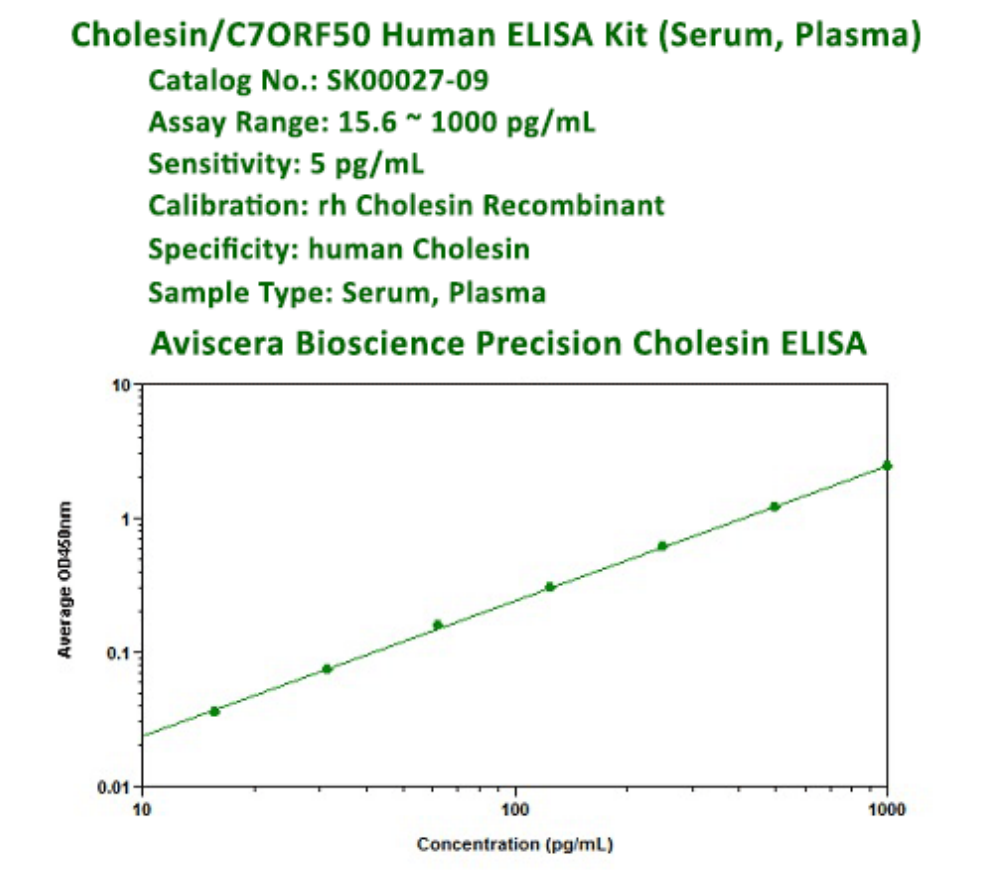
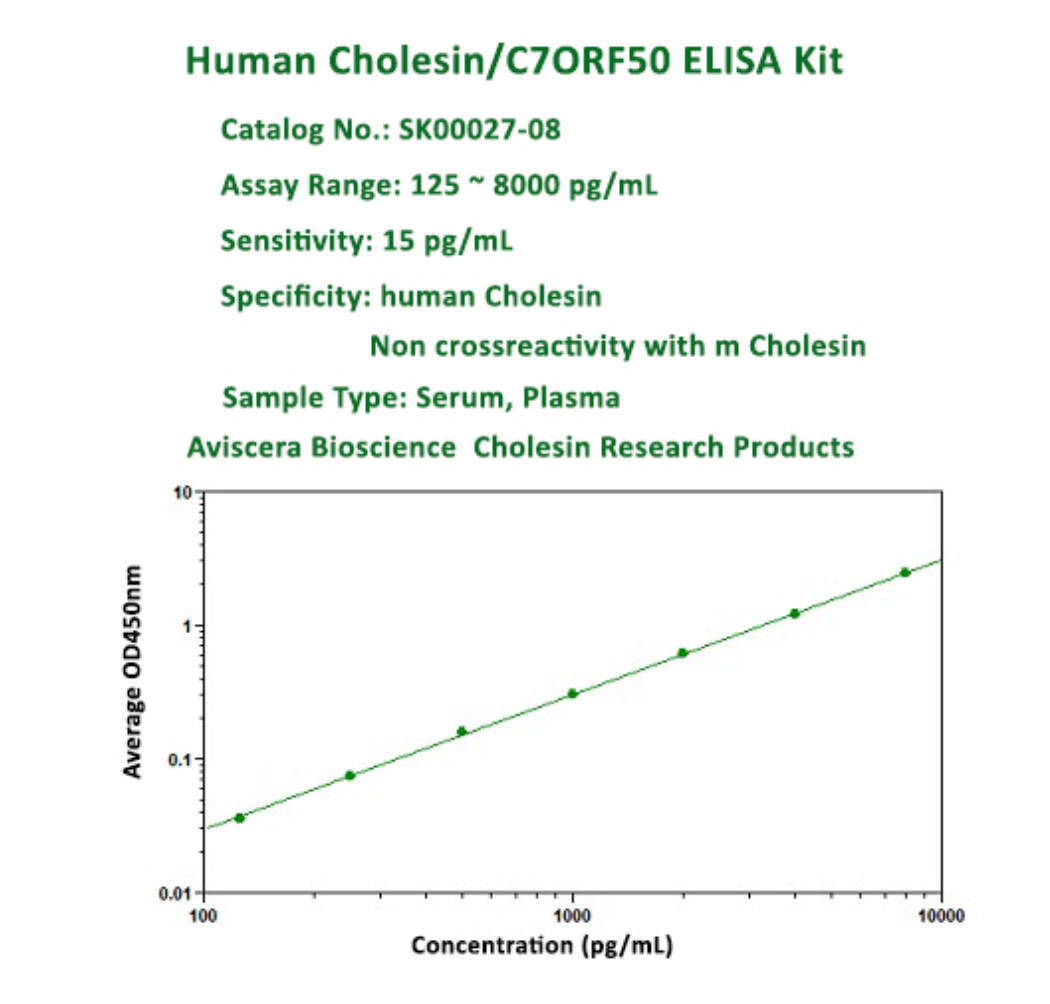
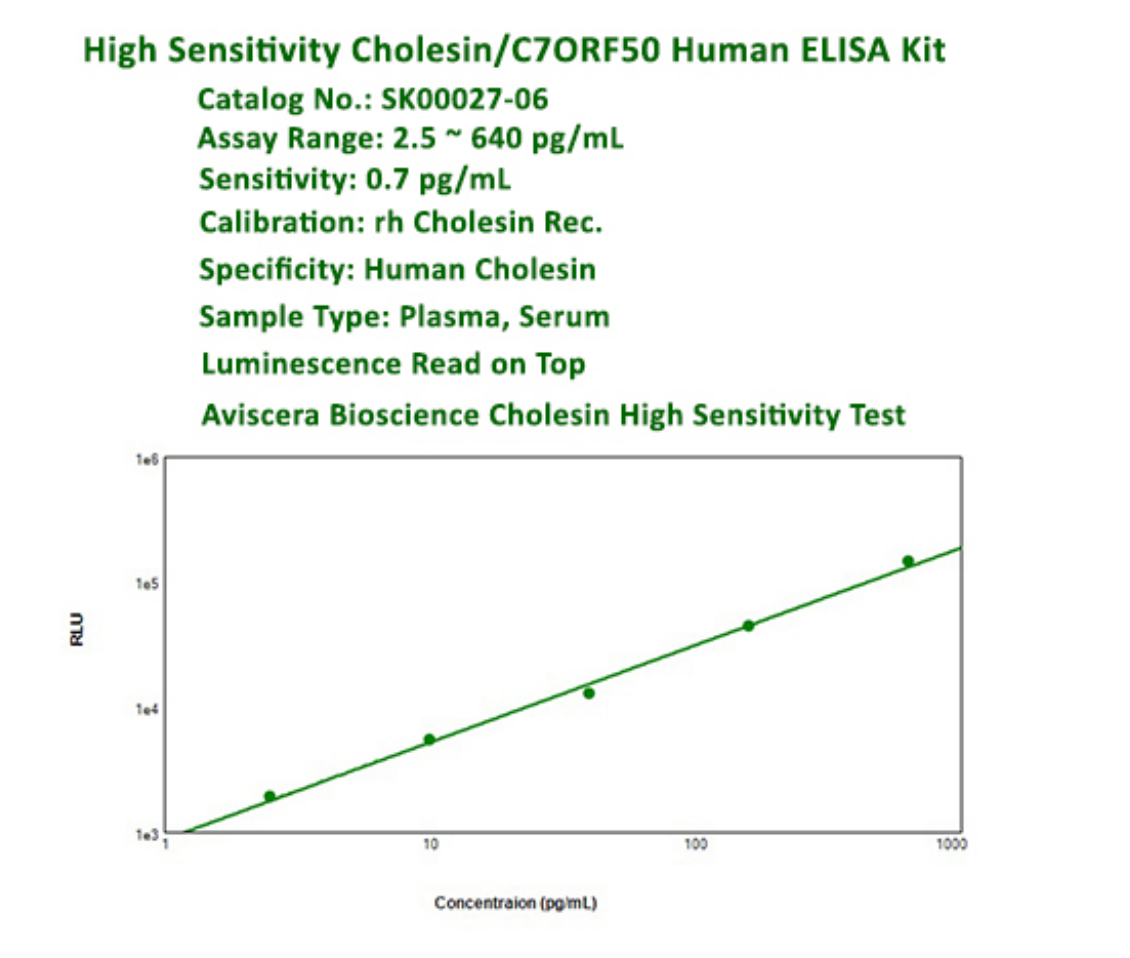
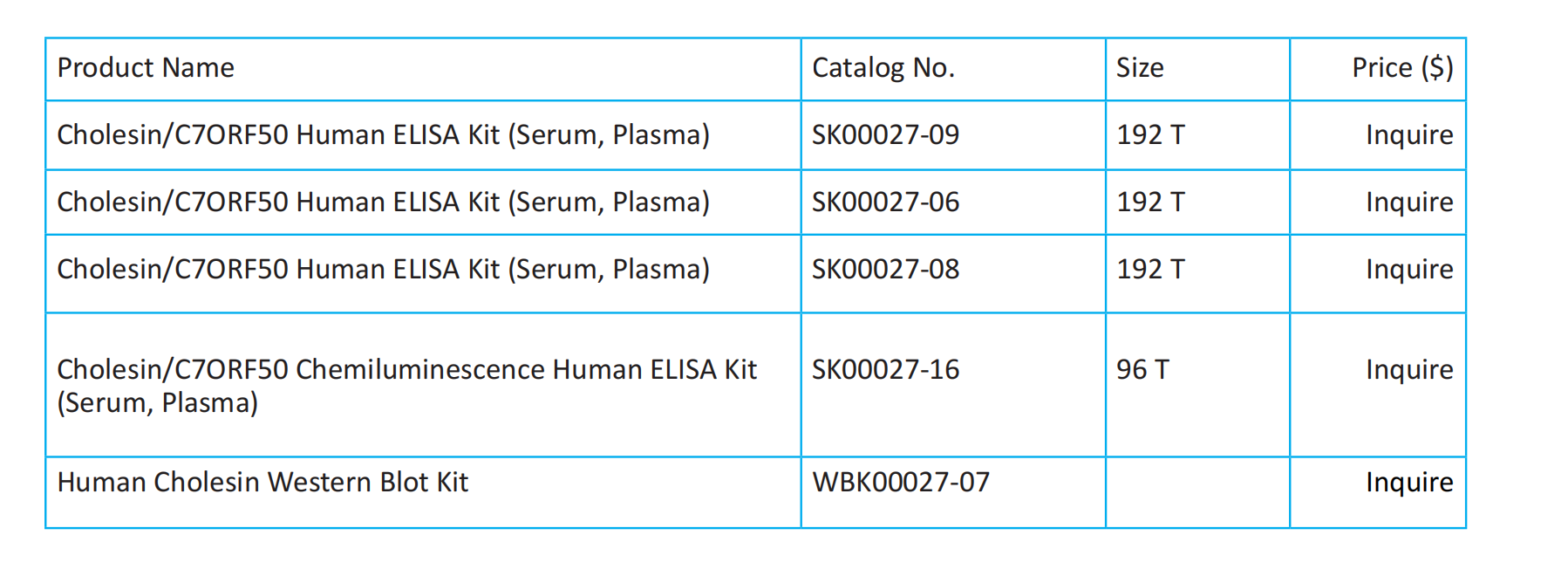
Cholesin/C7ORF50 Human ELISA Kit

Cholesin A Circulating GI Hormone Regulates Cholesterol Homeostasis.
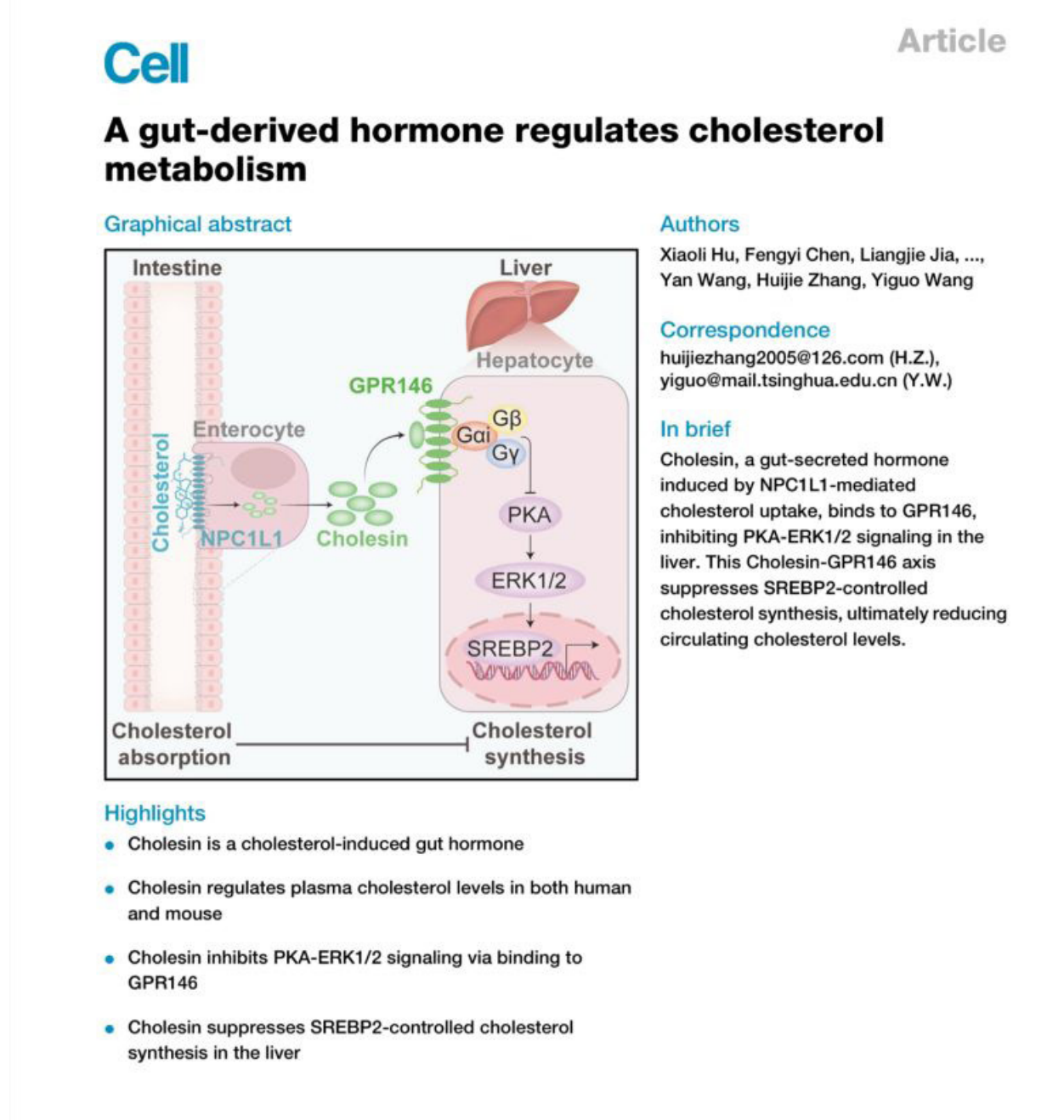
Cholesin is a hormone produced in the intestine in response to dietary cholesterol absorption. It travels through the
bloodstream to the liver, where it binds to a receptor called GPR146, which suppresses the liver’s cholesterol syn
thesis and helps lower circulating cholesterol levels. This newly identified gut-liver axis, the “cholesin-GPR146 axis,”
plays a role in regulating cholesterol homeostasis.
How cholesin works
• Secreted in response to cholesterol: Cholesin is released from intestinal cells (enterocytes) after cholesterol is
absorbed from food.
• Travels to the liver: It circulates in the blood, bound to things like exosomes, to reach the liver.
• Binds to a receptor: Cholesin attaches to the GPR146 receptor, which is found on liver cells (hepatocytes).
• Inhibits cholesterol production: The binding of cholesin to GPR146 triggers a signaling cascade that suppresses
the liver’s ability to make cholesterol, specifically by inhibiting the transcription factor SREBP2.
• Reduces circulating cholesterol: By slowing down the liver’s cholesterol production, cholesin helps to reduce the
amount of cholesterol in the bloodstream.
Significance and potential
• Therapeutic potential: Because of its role in regulating cholesterol, the cholesin-GPR146 pathway is a potential
target for new drugs to treat high cholesterol (hypercholesterolemia) and related conditions like atherosclerosis.
• Wider effects: Research suggests the cholesin system may have effects beyond just the liver, potentially influ
encing other tissues like adipose tissue in the cardiovascular system.
• Further research: The exact role of cholesin in various human metabolic diseases is still being investigated

2025年11月11日 09:18
ꄘ浏览量:0


